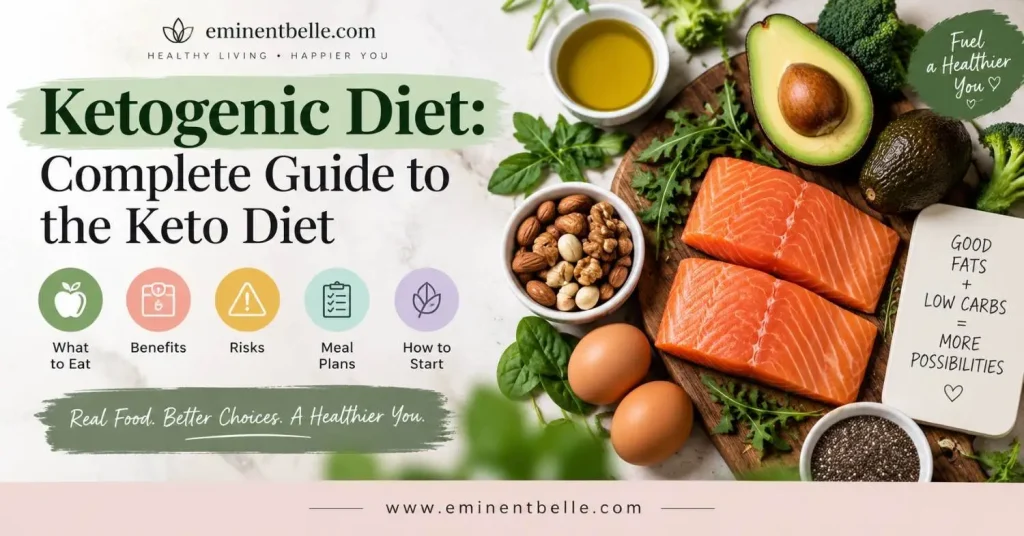
The ketogenic diet, commonly called the keto diet, is a low-carbohydrate eating pattern that places greater emphasis on fat while keeping carbohydrate intake very low. The goal is to shift the body’s primary fuel source away from glucose and toward fat-derived ketones.
Keto has attracted attention for weight management, blood-sugar control, and certain therapeutic applications. However, it is not simply a matter of cutting out bread and sugar. A well-planned ketogenic diet also needs adequate protein, vegetables, fluids, micronutrients, and a sensible balance of fat sources.
This guide explains how the ketogenic diet works, what you can eat, how to get started, what ketosis feels like, possible side effects, and how keto differs from related eating patterns.
What Is a Ketogenic Diet?
A ketogenic diet is an eating pattern that severely restricts carbohydrates while providing most of its energy from fat, with protein kept at a moderate level.
When carbohydrate intake falls substantially, the body has less glucose available from food. It begins relying more heavily on stored fat and produces substances called ketone bodies, which can be used as an alternative energy source.
There is no single universal ketogenic diet. Different versions use different carbohydrate, protein, and fat targets depending on the person’s goal and the reason the diet is being used.
How Keto Works
Under ordinary dietary conditions, carbohydrates are broken down into glucose, which is an important source of energy for the body.
When carbohydrate intake becomes very low, insulin levels generally fall and the body increases its use of stored fat. The liver converts some fatty acids into ketone bodies. These ketones can then provide energy for tissues, including the brain.
This metabolic shift is the foundation of nutritional ketosis.
Keto is therefore different from simply eating “more protein and fewer carbs.” A diet can be low in carbohydrates without being ketogenic if protein and carbohydrate intake remain high enough to prevent sustained ketosis.
Ketosis and Ketones
Ketosis is a metabolic state in which the body has increased levels of ketone bodies in the blood because it is relying more heavily on fat for fuel.
Ketones are produced naturally. They can also increase during fasting or prolonged physical activity. On a ketogenic diet, carbohydrate restriction is used intentionally to encourage this state.
Nutritional ketosis should not be confused with diabetic ketoacidosis, a potentially life-threatening medical condition involving dangerously high ketone levels and metabolic acidosis. These are very different conditions.
People with diabetes, particularly those using glucose-lowering medication or insulin, should discuss major dietary changes with their healthcare professional.
Keto vs Low-Carb Diet
“Keto” and “low-carb” are not interchangeable terms.
A low-carbohydrate diet may reduce carbohydrate intake without restricting it enough to produce ketosis. A ketogenic diet is much more restrictive and is specifically designed to encourage ketone production.
In simple terms:
| Feature | Low-Carb Diet | Ketogenic Diet |
| Carbohydrates | Reduced | Very low |
| Ketosis | Not necessarily | Main metabolic goal |
| Fat | Variable | Usually relatively high |
| Protein | May be moderate or high | Usually moderate |
| Food flexibility | Generally greater | Generally more restricted |
The exact boundary between different low-carb approaches can vary, so the terms should not be treated as precise medical categories.
How to Start a Keto Diet
Starting keto successfully involves more than removing carbohydrates. Planning your meals in advance can make it easier to meet your nutritional needs while staying within your chosen carbohydrate target.
How to Begin Keto
Start by identifying the carbohydrate-rich foods that make up most of your current diet. These may include sugary drinks, sweets, bread, pasta, rice, cereals, potatoes, and other starchy foods.
Then build meals around:
- Non-starchy vegetables
- Eggs, fish, poultry, meat, tofu, or other suitable protein sources
- Nuts and seeds
- Avocado
- Olive oil and other unsaturated-fat sources
- Appropriate dairy or dairy alternatives
- Small portions of lower-carbohydrate fruit where they fit your plan
Instead of relying heavily on processed “keto” products, prioritize minimally processed foods whenever possible.
It can also help to prepare a basic shopping list before starting. Keeping suitable foods available makes it easier to avoid making food choices based solely on convenience.
Keto Carb Limit
There is no single carbohydrate number that works for every person following keto.
Many popular ketogenic approaches use a carbohydrate intake below 50 grams per day, with some plans going considerably lower. Very low carbohydrate intake is generally what distinguishes a ketogenic diet from less restrictive low-carb diets.
Some people track net carbohydrates, usually calculated by subtracting certain forms of fiber and sometimes sugar alcohols from total carbohydrates. However, net-carb calculations are not standardized perfectly, and different ingredients can affect how useful the calculation is.
For this reason, don’t assume that a food marketed as “zero net carbs” is automatically a healthy choice.
Your carbohydrate requirement may also depend on your activity level, metabolic health, medications, goals, and individual response.
Keto Macros
“Macros” means macronutrients: carbohydrates, protein, and fat.
A traditional ketogenic pattern is high in fat, very low in carbohydrates, and moderate in protein. Exact percentages vary between ketogenic programs.
Rather than chasing a fixed ratio, consider three questions:
- Is carbohydrate intake low enough for the intended ketogenic approach?
- Is protein adequate for maintaining lean tissue?
- Are most fat sources nutritionally sensible?
Fat quality matters. A keto diet does not have to be built primarily around processed meats, butter, or other foods high in saturated fat. Unsaturated fats from foods such as olive oil, avocado, nuts, seeds, and oily fish can be useful choices.
Keto Food Pyramid: What to Eat
A practical keto food pyramid should emphasize food quality and variety, not simply “eat as much fat as possible.”
Keto-Friendly Foods
Common foods that can fit into a ketogenic eating pattern include:
- Leafy greens
- Broccoli
- Cauliflower
- Mushrooms
- Cucumber
- Zucchini
- Bell peppers
- Eggs
- Fish and seafood
- Poultry
- Meat
- Tofu
- Avocado
- Nuts and seeds
- Olive oil
- Unsweetened beverages
- Selected dairy foods
The amount of each food depends on its carbohydrate content and your individual plan.
Vegetables remain important even when carbohydrates are restricted because they can provide fiber, vitamins, minerals, and other beneficial plant compounds.
Healthy Fats
Fat is the main energy source in a ketogenic diet, but high-fat does not automatically mean healthy.
Better choices can include:
- Extra-virgin olive oil
- Avocado
- Almonds
- Walnuts
- Pecans
- Chia seeds
- Flaxseeds
- Pumpkin seeds
- Oily fish
Foods such as butter, cream, fatty meats, and coconut products may also fit some ketogenic plans, but they should not be the only sources of dietary fat.
Prioritizing unsaturated fats is a useful way to improve the overall nutritional quality of a high-fat diet. Harvard’s Nutrition Source similarly emphasizes choosing more unsaturated fat sources when following a ketogenic pattern.
Foods to Limit or Avoid
Foods that are generally difficult to fit into a strict ketogenic diet include:
- Sugar and sweets
- Sugary drinks
- Bread and many other grain-based foods
- Pasta
- Rice
- Most conventional cereals
- Potatoes
- Many high-carbohydrate snacks
- Fruit juices
- Foods containing substantial added sugar
Some foods aren’t necessarily “bad,” but their carbohydrate content can make them difficult to include while maintaining ketosis.
Keto Foods: Can You Eat These Foods?
One of the most common keto questions is whether a particular food is allowed. The answer often depends on portion size, carbohydrate content, and the rest of the day’s meals.
Fruits
Fruit is nutritious, but many fruits contain enough carbohydrate to make large servings difficult to fit into a strict ketogenic plan.
Small portions of lower-carbohydrate fruits, particularly berries, are commonly easier to include.
Foods such as bananas, dates, apples, watermelon, and other sweeter fruits generally require more careful portion control.
Avocado is an exception because it is botanically a fruit but contains relatively little digestible carbohydrate compared with many sweet fruits.
Vegetables
Non-starchy vegetables are among the most useful foods on keto.
Good choices include:
- Spinach
- Lettuce
- Broccoli
- Cauliflower
- Cucumber
- Mushrooms
- Zucchini
- Asparagus
- Cabbage
- Bell peppers
Starchy vegetables such as potatoes and sweet potatoes contain substantially more carbohydrate and are therefore harder to accommodate on a strict keto plan.
Nuts and Seeds
Many nuts and seeds can fit into keto because they provide fat, protein, fiber, and relatively little carbohydrate per typical serving.
Examples include:
- Almonds
- Walnuts
- Pecans
- Macadamia nuts
- Chia seeds
- Flaxseeds
- Pumpkin seeds
- Sunflower seeds
Portions still matter because nuts and seeds are energy-dense.
Peanuts are technically legumes rather than tree nuts, but they are often included in low-carbohydrate eating plans when their carbohydrate content fits the individual’s target.
Dairy
Dairy can be included in some ketogenic diets, but carbohydrate content varies considerably.
Hard cheeses and butter contain relatively little lactose, while milk contains more natural carbohydrate because of its lactose content.
Unsweetened full-fat yogurt may fit some keto plans depending on the product and serving size.
Watch for flavored yogurts, sweetened creamers, desserts, and other dairy products containing added sugar.
Grains, Beans and Starches
Traditional grain-based foods such as bread, pasta, rice, and many cereals are generally too carbohydrate-rich for a strict ketogenic diet.
Beans and lentils provide useful nutrients and fiber, but their carbohydrate content means that large servings may not fit easily into a very-low-carbohydrate plan.
Quinoa is also nutritious, but it contains enough carbohydrate that it usually requires careful portion planning on strict keto.
Drinks and Alcohol
Water should remain a primary beverage.
Other options can include:
- Unsweetened tea
- Unsweetened coffee
- Sparkling water
- Some sugar-free beverages
Alcohol requires more caution. Some alcoholic drinks contain considerable carbohydrate because of sugar, juice, syrups, or other ingredients. Even drinks with little carbohydrate can have other effects on appetite, judgment, hydration, and blood glucose.
If you drink alcohol, consider your overall health, medications, and personal circumstances rather than judging a beverage solely by its carbohydrate count.
Keto for Different Dietary Needs
A ketogenic diet can be adapted to different dietary requirements, but doing so may require additional planning.
Is Keto Gluten-Free?
A ketogenic diet is not automatically gluten-free.
Many naturally keto-friendly foods are naturally free of gluten, including eggs, meat, fish, vegetables, avocado, nuts, and many oils. However, packaged sauces, seasonings, processed meats, low-carb breads, protein products, and other specialty foods may contain gluten or be exposed to gluten during manufacturing.
If you need to avoid gluten for medical reasons, check ingredient labels carefully and use products that are appropriately labeled for your needs.
Dairy-Free Keto
Dairy-free keto excludes milk, cheese, cream, butter, and other dairy ingredients while maintaining very low carbohydrate intake.
Useful alternatives can include:
- Avocado
- Olive oil
- Nuts
- Seeds
- Coconut products without added sugar
- Eggs
- Meat
- Fish
- Seafood
- Tofu
The challenge is ensuring that removing dairy does not unintentionally reduce protein, calcium, or other important nutrients.
Dairy-Free Keto Recipes
Simple dairy-free keto meals can be built around vegetables, protein, and plant-based fat sources.
Examples include:
Breakfast: Eggs with spinach, mushrooms, and avocado.
Lunch: Grilled chicken salad with leafy greens, cucumber, olives, and olive-oil dressing.
Dinner: Baked salmon with roasted cauliflower and a side of sautéed greens.
Snack: A small portion of nuts or seeds.
The goal is not to replace every dairy product with a processed “keto” substitute. Whole-food ingredients can often provide a simpler nutritional foundation.
Ketovore vs Keto vs Carnivore
Ketovore and carnivore diets are related to keto but are not identical approaches.
What Is Ketovore?
“Ketovore” is an informal term generally used for an eating pattern that combines ketogenic principles with a strong emphasis on animal foods.
A ketovore approach typically keeps carbohydrate intake very low while emphasizing meat, eggs, fish, and other animal-derived foods. Some people still include selected vegetables, avocado, nuts, or other low-carbohydrate plant foods.
There is no single standardized ketovore formula.
What Is Carnivore Keto?
Carnivore eating takes carbohydrate restriction further by focusing predominantly or exclusively on animal-derived foods.
When people use the phrase “carnivore keto,” they are generally describing a carnivore-style diet that is also intended to maintain a ketogenic metabolic state.
This is considerably more restrictive than a conventional ketogenic diet.
Key Differences
| Feature | Keto | Ketovore | Carnivore |
| Carbohydrate intake | Very low | Usually very low | Minimal to none |
| Plant foods | Commonly included | Limited/emphasized selectively | Generally excluded |
| Animal foods | Included | Strong emphasis | Central |
| Food variety | Relatively broad | More restricted | Highly restricted |
| Standard definition | Several established versions | Informal term | Informal/varied approaches |
A more restrictive diet is not automatically a healthier diet. Eliminating additional food groups can also make dietary variety and nutrient adequacy more difficult.
How to Know If You’re in Ketosis
The presence of symptoms alone cannot reliably confirm nutritional ketosis.
Signs of Ketosis
Some people notice changes after substantially reducing carbohydrates, such as:
- Reduced appetite
- Changes in energy levels
- A different taste in the mouth
- Increased urination
- Changes in breath odor
“Ketosis breath” is sometimes described as having a distinctive smell because of acetone, one of the compounds associated with ketone metabolism.
However, symptoms vary widely. Someone may experience several of these changes while another person notices almost nothing.
How to Measure Ketones
Ketosis can be assessed using different types of ketone testing.
Blood testing measures beta-hydroxybutyrate and is commonly considered a direct way to assess circulating ketones.
Breath testing estimates acetone levels in exhaled air.
Urine testing detects ketones excreted into urine and can be useful in some situations, although results can become less reflective of blood ketone levels as the body adapts.
If you have diabetes or another medical condition that affects ketone metabolism, do not interpret ketone readings in isolation.
Ketosis Timeline
There is no guaranteed timeline for entering ketosis.
Some people experience a metabolic shift within several days of substantially restricting carbohydrates, while the process varies according to factors such as carbohydrate intake, activity, energy balance, individual metabolism, and previous eating patterns.
The important point is that “day three” or another fixed date should not be treated as a universal rule.
Keto Side Effects and Potential Problems
A sudden reduction in carbohydrate intake can produce temporary symptoms in some people.
Keto Rash
“Keto rash” commonly refers to prurigo pigmentosa, a rare inflammatory skin condition that has been reported in association with ketosis.
Not every rash that appears while following keto is keto rash.
If you develop a persistent, painful, spreading, or unusual rash, it is better to have it assessed rather than automatically blaming the diet.
Hair Loss on Keto
Some people report hair shedding after beginning a restrictive diet or losing weight rapidly.
Hair loss can have many causes, including inadequate energy or protein intake, nutritional deficiencies, illness, hormonal changes, stress, and rapid weight loss.
Therefore, hair loss should not automatically be attributed to ketosis itself.
If significant or persistent shedding occurs, review your overall diet and speak with a healthcare professional rather than simply increasing dietary fat.
Keto and Menopause
Menopause can change body composition, appetite, activity patterns, and other factors that influence weight management.
A ketogenic diet may help some people manage their food intake or body weight, but it is not a guaranteed solution for menopause-related changes.
During menopause, it is particularly important to pay attention to:
- Adequate protein
- Fiber
- Calcium and vitamin D
- Overall food quality
- Muscle-preserving exercise
- Cardiovascular health
A highly restrictive diet should be individualized rather than adopted solely because it is marketed as a solution for menopausal weight gain.
Other Common Side Effects
Possible problems during the early phase of carbohydrate restriction can include:
- Headaches
- Fatigue
- Constipation
- Muscle cramps
- Irritability
- Difficulty concentrating
- Changes in exercise performance
Fluid and electrolyte changes may contribute to some early symptoms.
Longer-term concerns can include inadequate fiber or micronutrient intake if the diet is poorly planned. Harvard also notes potential concerns involving nutrient deficiencies and other complications when food groups are substantially restricted.
Keto Benefits, Risks and Safety
Keto is not appropriate for everyone, and its potential benefits need to be considered alongside its limitations.
Potential Benefits
Research has found that ketogenic diets can produce short-term weight loss and metabolic changes in some people.
Potential areas of interest include:
- Weight management
- Appetite control
- Blood-glucose management
- Triglyceride reduction in some settings
- Therapeutic use in certain neurological conditions
The strength of evidence depends heavily on the specific health outcome. Evidence supporting therapeutic ketogenic diets for medical conditions should not automatically be applied to general weight-loss keto.
Potential Risks
Potential concerns include:
- Nutrient deficiencies
- Low fiber intake
- Constipation
- Difficulty maintaining the diet
- Increased intake of saturated fat
- Changes in blood lipids
- Kidney stone risk in some populations
- Problems related to dehydration or electrolyte imbalance
Long-term evidence for ketogenic diets remains less developed than many people assume. Harvard notes that although keto can provide short-term benefits, longer-term outcomes and sustainability remain important questions.
Who Should Avoid or Modify Keto?
People with certain medical conditions, those taking glucose-lowering medication, and people with specific nutritional requirements should not start a strict ketogenic diet without appropriate professional guidance.
Extra caution may be appropriate during:
- Pregnancy
- Breastfeeding
- Childhood and adolescence
- Certain kidney or liver conditions
- Some metabolic disorders
- Diabetes treated with medication
Therapeutic ketogenic diets used for epilepsy or other medical purposes should be supervised by an appropriate healthcare team.
Keto Meal Planning
Good meal planning can make a restrictive diet easier to follow.
Sample Keto Meal Plan
A simple day could look like this:
Breakfast: Eggs, sautéed spinach, avocado, and unsweetened coffee.
Lunch: Grilled chicken salad with leafy greens, cucumber, olives, and olive oil.
Dinner: Salmon with broccoli, cauliflower, and a side of salad.
Snack: A small serving of almonds or another suitable nut.
This is only an example. Portion sizes and carbohydrate targets should be adjusted according to individual nutritional needs.
Keto Shopping List
A beginner-friendly shopping list can include:
Protein
- Eggs
- Chicken
- Fish
- Seafood
- Meat
- Tofu
Vegetables
- Spinach
- Lettuce
- Broccoli
- Cauliflower
- Cucumber
- Mushrooms
- Zucchini
Healthy fats
- Olive oil
- Avocado
- Nuts
- Seeds
Optional dairy
- Hard cheese
- Unsweetened yogurt
- Butter or cream, depending on your dietary needs
Flavor
- Herbs
- Spices
- Garlic
- Unsweetened mustard
- Vinegar
Always check packaged products for added sugar and unexpected carbohydrate sources.
Meal Prep
Keto meal prep does not need to be complicated.
You can prepare several portions of protein at once, wash and chop vegetables, make a low-sugar dressing, and portion nuts or snacks ahead of time.
Preparing ingredients rather than relying entirely on packaged keto foods can also give you more control over salt, added ingredients, and overall food quality.
Keto Recipes and Eating Out
A varied keto diet can include much more than bacon and eggs.
Breakfast
Try combinations such as:
- Eggs with vegetables and avocado
- Omelet with mushrooms and greens
- Unsweetened yogurt with a small portion of berries and seeds
- Chia-based breakfast prepared without added sugar
Lunch
Good options include:
- Chicken salad
- Tuna salad with leafy greens
- Lettuce wraps
- Egg salad with vegetables
- Grilled fish with a vegetable side
Dinner
Examples include:
- Salmon with roasted vegetables
- Chicken with cauliflower and salad
- Beef with sautéed mushrooms and greens
- Tofu with low-carbohydrate vegetables
Snacks and Desserts
For snacks, consider:
- Nuts
- Seeds
- Olives
- Cheese, if dairy is included
- Small portions of berries
For desserts, keto-friendly versions can use ingredients such as unsweetened cocoa, nuts, seeds, and low-carbohydrate sweeteners. But a “keto” label does not automatically make a dessert nutritionally superior.
Eating Out
When eating at a restaurant, focus on a protein source and non-starchy vegetables.
Useful strategies include:
- Choose grilled rather than breaded foods
- Replace fries or other starchy sides with vegetables where possible
- Ask about sauces and dressings
- Avoid sugary drinks
- Check whether marinades or sauces contain added sugar
You do not need to order a menu item specifically labeled “keto” to make a lower-carbohydrate meal.
Keto for Different Goals
The same ketogenic diet can have different practical considerations depending on why someone chooses it.
Weight Loss
Keto can help some people lose weight, particularly when the diet reduces overall energy intake and makes it easier to control hunger.
However, keto is not a guarantee of greater long-term weight loss than every other dietary approach. Harvard’s review notes that differences between ketogenic and conventional weight-loss approaches can become smaller over longer periods, while adherence remains an important factor.
Exercise
Some athletes and recreational exercisers experiment with carbohydrate restriction because the body becomes more reliant on fat during a ketogenic diet.
However, exercise performance can respond differently depending on the sport, intensity, training status, and individual adaptation. High-intensity activities often rely substantially on carbohydrate availability.
Anyone combining strict keto with demanding training should pay attention to performance, recovery, hydration, and overall nutrient intake.
Keto for Women
Women may have different nutritional needs depending on age, activity level, pregnancy status, breastfeeding, menopause, and health conditions.
A ketogenic diet should therefore not be treated as a universal “women’s keto diet.” The basic metabolic principles remain similar, but the appropriate calorie, protein, micronutrient, and carbohydrate intake can vary considerably.
Therapeutic Keto
The ketogenic diet has a long history of therapeutic use, particularly in the management of certain forms of epilepsy that do not respond adequately to medication.
Therapeutic ketogenic diets are not simply ordinary weight-loss diets with fewer carbohydrates. They may use carefully calculated food ratios and require monitoring by specialized healthcare professionals.
This distinction is important: a medical ketogenic diet should not be self-prescribed based on a general keto meal plan found online.
Keto Terminology
Keto Pronunciation
“Keto” is commonly pronounced as two syllables, with the first syllable receiving the main stress.
Ketogenic Pronunciation
“Ketogenic” is a longer medical and nutritional term derived from “ketone.” The emphasis falls toward the beginning of the word.
Ketosis Pronunciation
“Ketosis” is pronounced with the stress on the second syllable.
These pronunciation notes can be useful for beginners because keto terminology often appears in medical, nutrition, and fitness discussions.
Keto Resources
Keto Diet Books
Books can be useful for learning the background of ketogenic nutrition, meal planning, and therapeutic applications. When choosing one, look for resources that clearly distinguish scientific evidence from personal anecdotes and avoid promising guaranteed results.
For medical or therapeutic keto, prioritize books and resources written or reviewed by qualified healthcare professionals.
Free Keto Diet Plan PDF
A free keto diet plan can be useful as a starting organizational tool, but a generic PDF should not be treated as a personalized medical prescription.
A useful plan should ideally include:
- Daily meal ideas
- Approximate carbohydrate information
- Protein sources
- Vegetable variety
- Shopping list
- Portion guidance
- Substitution options
- Safety considerations
If you have a medical condition, take medication, or have special nutritional needs, a personalized plan from a qualified professional may be more appropriate than a generic downloadable plan.
Final Takeaway
The ketogenic diet is a structured approach to carbohydrate restriction that encourages the body to rely more heavily on fat and ketones for fuel. It can be useful for some people and has established therapeutic applications in specific medical settings, but it is not a one-size-fits-all solution.
A sensible keto plan should go beyond counting carbohydrates. It should include adequate protein, plenty of suitable vegetables, quality fat sources, sufficient fluids, and attention to fiber and micronutrients.
If you are considering keto for weight loss or general health, focus on a sustainable eating pattern rather than simply trying to keep carbohydrate intake as low as possible. And if you have a medical condition, take medication, or want to use keto therapeutically, discuss the diet with an appropriately qualified healthcare professional before making major changes.